

Why Is Data Considered the New Fertilizer in Modern Agriculture?

Have you ever wondered why some farms consistently outperform others, even when they use the same seeds, fertilizers and water? The answer increasingly lies not in traditional inputs but in the way farmers leverage data. In modern agriculture, data is often referred to as the “new fertilizer” because it nourishes decision making, optimizes operations and maximizes productivity, much like how traditional fertilizers boost crop growth.
Agricultural data has transformed the farming landscape by providing insights that go beyond intuition or experience. From weather conditions and soil health to crop performance and market trends, the right data allows farmers to make precise, timely decisions. But how exactly does data function as an essential input and why is it critical for modern farming success? Let’s explore the ways in which agricultural data is reshaping productivity, efficiency and competitiveness.

1. From Traditional Inputs to Digital Inputs: The Shift in Agriculture
For decades, farming success depended heavily on physical inputs such as water, fertilizer and labour. While these remain essential, they are no longer the sole determinants of productivity. Today, digital inputs data points collected from fields, machinery, sensors and markets are equally important in cultivating healthy, profitable crops.
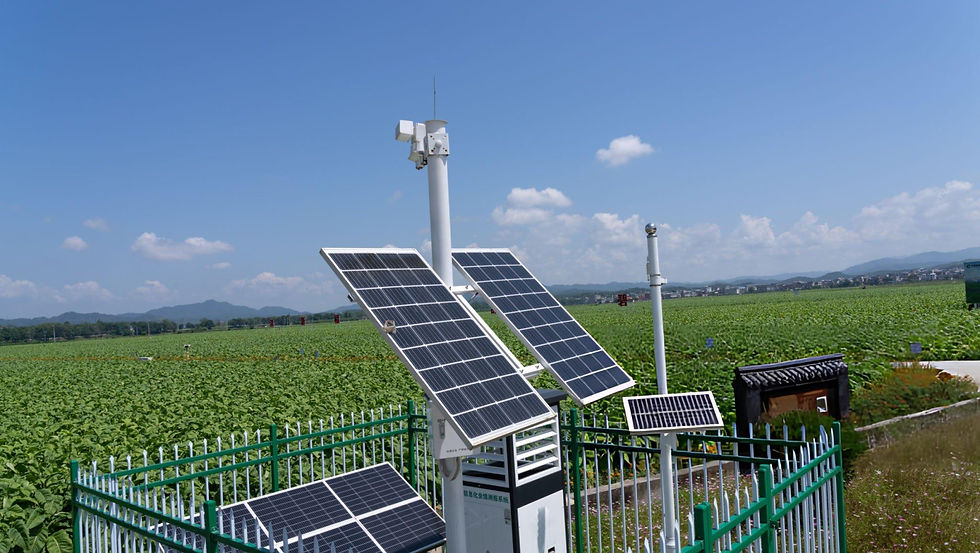
Data can include soil moisture levels, nutrient content, weather patterns, irrigation schedules, crop growth rates and even machinery performance. By collecting and analysing these inputs, farmers can optimize how and when traditional resources are applied, reducing waste and enhancing outcomes. In essence, while water and fertilizer nourish plants, data nourishes decisions, ensuring every input is used effectively to achieve higher yields.
This shift represents a fundamental change in how farming is approached. No longer are farmers relying solely on experience or seasonal instincts; they now have actionable insights that can guide planting, irrigation, fertilization and harvesting decisions, all in real time.
2. Understanding Agricultural Data: What Farmers Can Track
Agricultural data is multidimensional, encompassing several critical categories:
Weather Data: Temperature, rainfall, humidity and forecasts that influence planting and harvesting schedules.
Soil Data: Nutrient levels, pH, organic matter and moisture content to determine fertilization and irrigation needs.
Crop Data: Growth rates, pest and disease incidence, yield projections and genetic performance of different varieties.
Financial Data: Input costs, operational expenses and projected revenue to manage profitability.
Market Data: Crop demand trends, pricing fluctuations and supply chain logistics to optimize sales decisions.
By collecting and integrating these data types, farmers gain a holistic view of their operations. Every decision whether to irrigate today, apply fertilizer tomorrow or delay harvest can be supported by reliable data, minimizing guesswork and uncertainty.
3. Improving Productivity and Efficiency Through Data
One of the most significant benefits of agricultural data is its ability to enhance productivity. By analysing real time and historical data, farmers can identify patterns that influence crop growth and resource efficiency. For example:
Precision irrigation based on soil moisture data ensures crops receive exactly the water they need.
Fertilizer application guided by soil nutrient mapping reduces excess use while maintaining crop health.
Optimized planting schedules based on weather and soil conditions lead to better germination and growth rates.
These data driven strategies save time, reduce waste and allow farmers to produce more with the same or fewer inputs. In short, data acts like fertilizer for farm operations enabling healthier growth, higher yields and more consistent results across fields.
4. Reducing Risk and Optimizing Costs Through Analytics
Farming has always been vulnerable to risks from unpredictable weather to pest outbreaks, market fluctuations and operational inefficiencies. Data helps mitigate these risks by enabling real time monitoring and predictive analytics. Sensors in the field can alert farmers to water stress, pest infestations or nutrient deficiencies before they affect yield. Weather forecasts integrated with historical data can help anticipate floods or droughts, allowing proactive measures.
Moreover, data driven decision making leads to cost optimization. By knowing precisely when and how much to irrigate, fertilize or protect crops, farmers avoid overuse of expensive inputs. Operational inefficiencies are reduced and investments are focused on areas with the highest return. This combination of risk reduction and cost efficiency makes data not just an input but a strategic tool for sustainable farming.
5. Turning Data into Farm Intelligence: Competitive Advantage with CYOL
Collecting data is only the first step. Its true value lies in transforming raw numbers into actionable insights. This is where platforms like CYOL play a crucial role. CYOL integrates field data, market intelligence, financial metrics and weather information to provide farmers with actionable recommendations. From irrigation schedules to fertilizer application and market timing, CYOL converts complex datasets into intuitive dashboards and alerts, enabling informed decision making.
By leveraging such platforms, farmers gain a competitive advantage, using insights to outperform peers, optimize resources and make better business decisions. Data becomes more than information it becomes intelligence that drives measurable improvements in productivity, efficiency and profitability.
In modern agriculture, data is the new fertilizer. While water, soil and nutrients are essential for growing crops, data feeds the decisions that maximize the potential of those traditional inputs. From real time monitoring and predictive analytics to cost optimization and operational efficiency, data empowers farmers to make smarter, faster and more profitable choices.
Platforms like CYOL exemplify how agricultural data can be transformed into actionable intelligence, helping farmers not just survive but thrive in an increasingly competitive and unpredictable market. In a world where precision and efficiency determine success, embracing data is no longer optional it is essential for the future of agriculture.


Comments